How I Help First-Time Clients Plan the Right Cruise
A lot of clients have been asking me the same version of this lately. They know they want a cruise, or at least think they do, but they are not always sure how to choose the right one, what to book first, how the logistics work once they get to a port, or whether cruising is going to feel easy or overwhelming the first time around.
I get why that comes up. Cruising looks simple from the outside. Pick a ship, pick a date, show up, and go. In real life, the difference between a cruise that feels smooth and a cruise that feels stressful usually comes down to the decisions you make before you ever step on board. That is especially true for first-time cruisers, couples celebrating something, multi-generational families, and anyone weighing a few very different itineraries against each other, whether that is a Caribbean week, an Alaska sailing, or something more destination-heavy like Hawaii or the Mediterranean.
I have spent a lot of nights at sea, and when I work with clients on cruise planning, I almost always slow the conversation down at the beginning. Not because cruising is complicated, but because there are a few decisions that matter more than people realize. Once those are handled the right way, everything else gets easier.
If you are early in the process, or if you have been asking yourself whether a cruise is the right fit for this next trip, here is how I walk clients through it.
Start with the traveler, not the ship
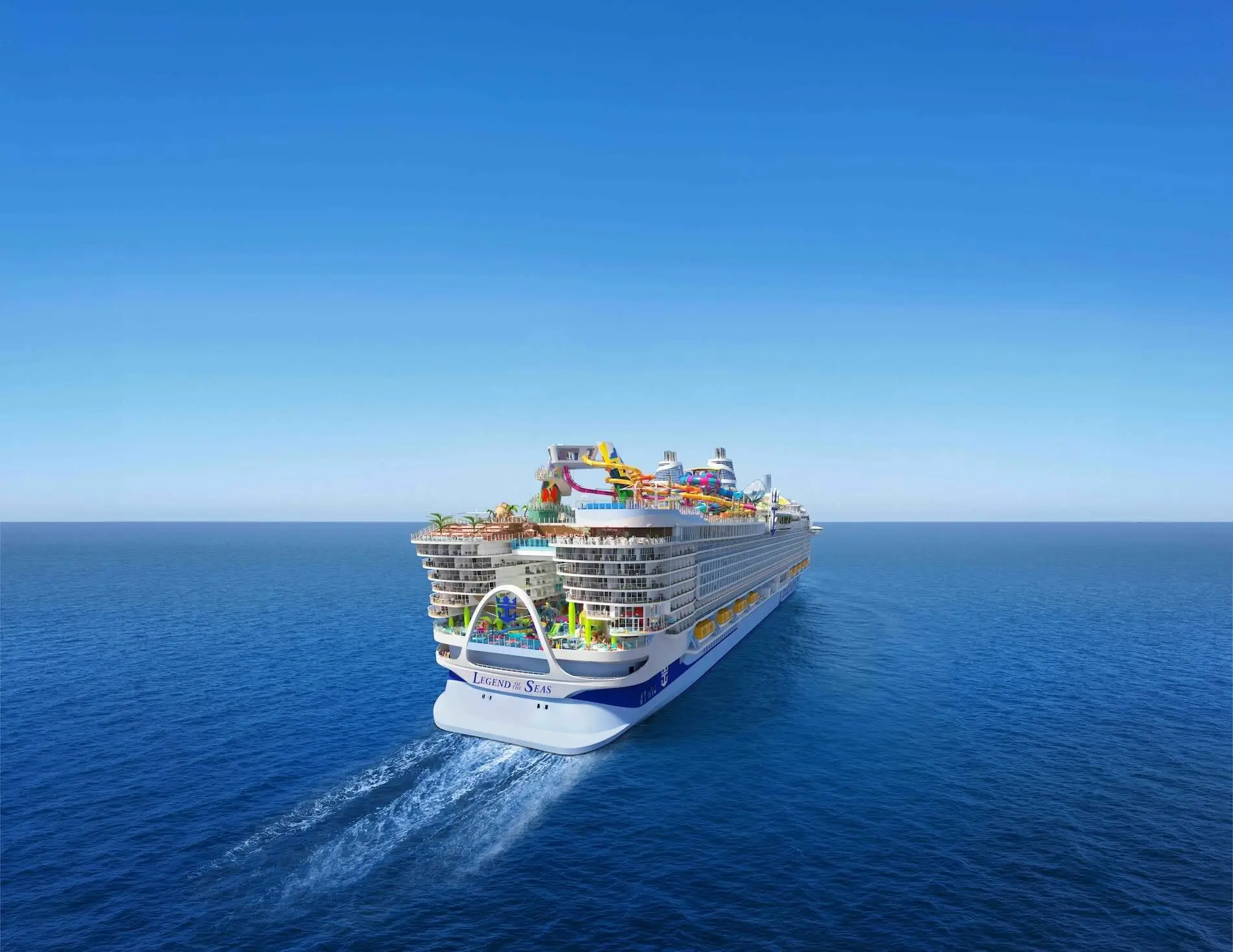
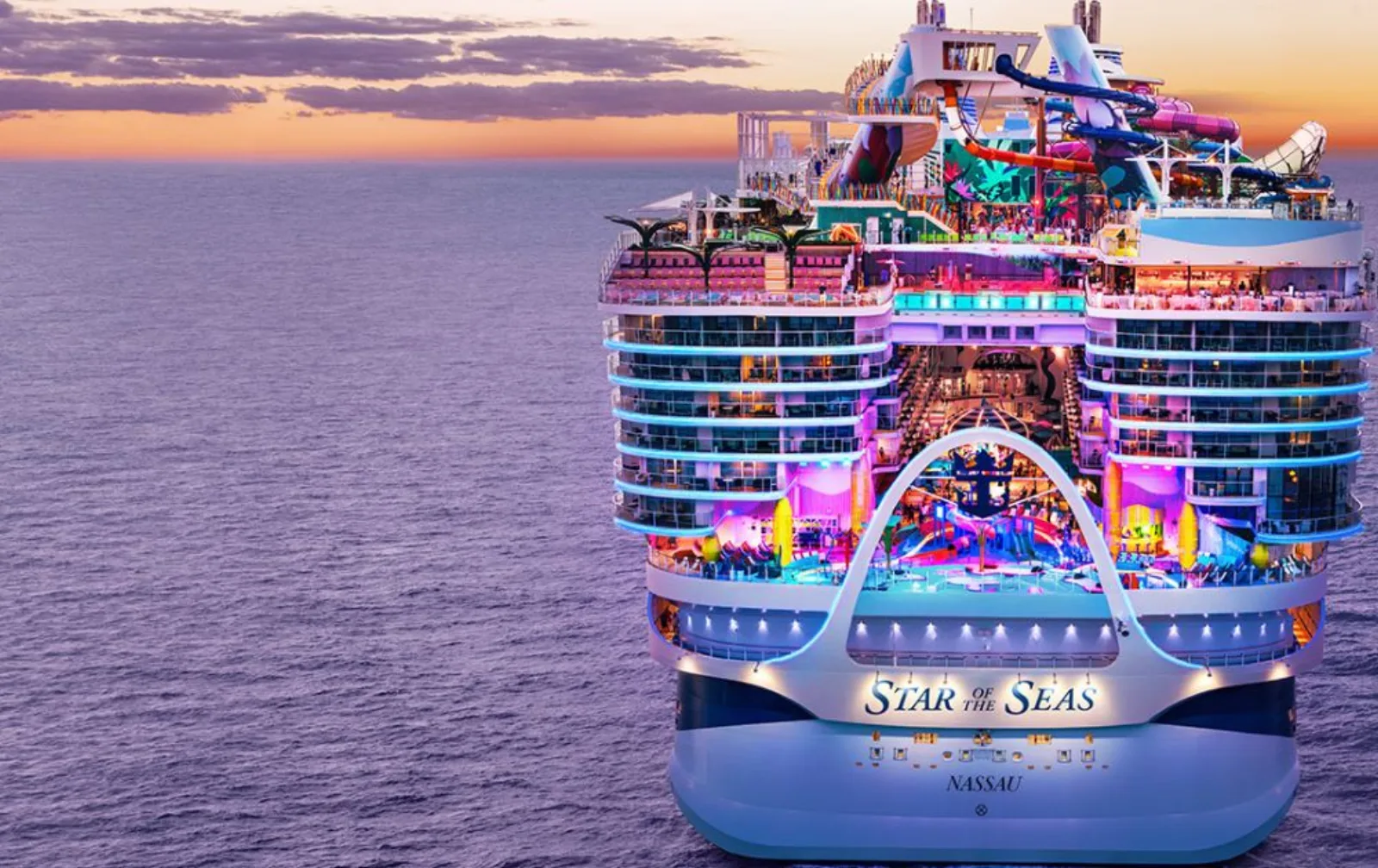
One of the biggest mistakes I see is people starting with whatever ship is getting the most attention online. I understand the instinct. New ships get headlines, splashy photos, and a lot of buzz. But in my experience, that is rarely the best place to begin.
I start with the traveler. Are you the kind of person who wants your vacation packed with activity from morning to midnight, or do you want quiet mornings, good food, and time to actually exhale? Are you traveling as a couple, with kids, with adult siblings, or with a larger family group? Do you care more about the ship itself, or about waking up in a different place every day? Those answers shape everything.
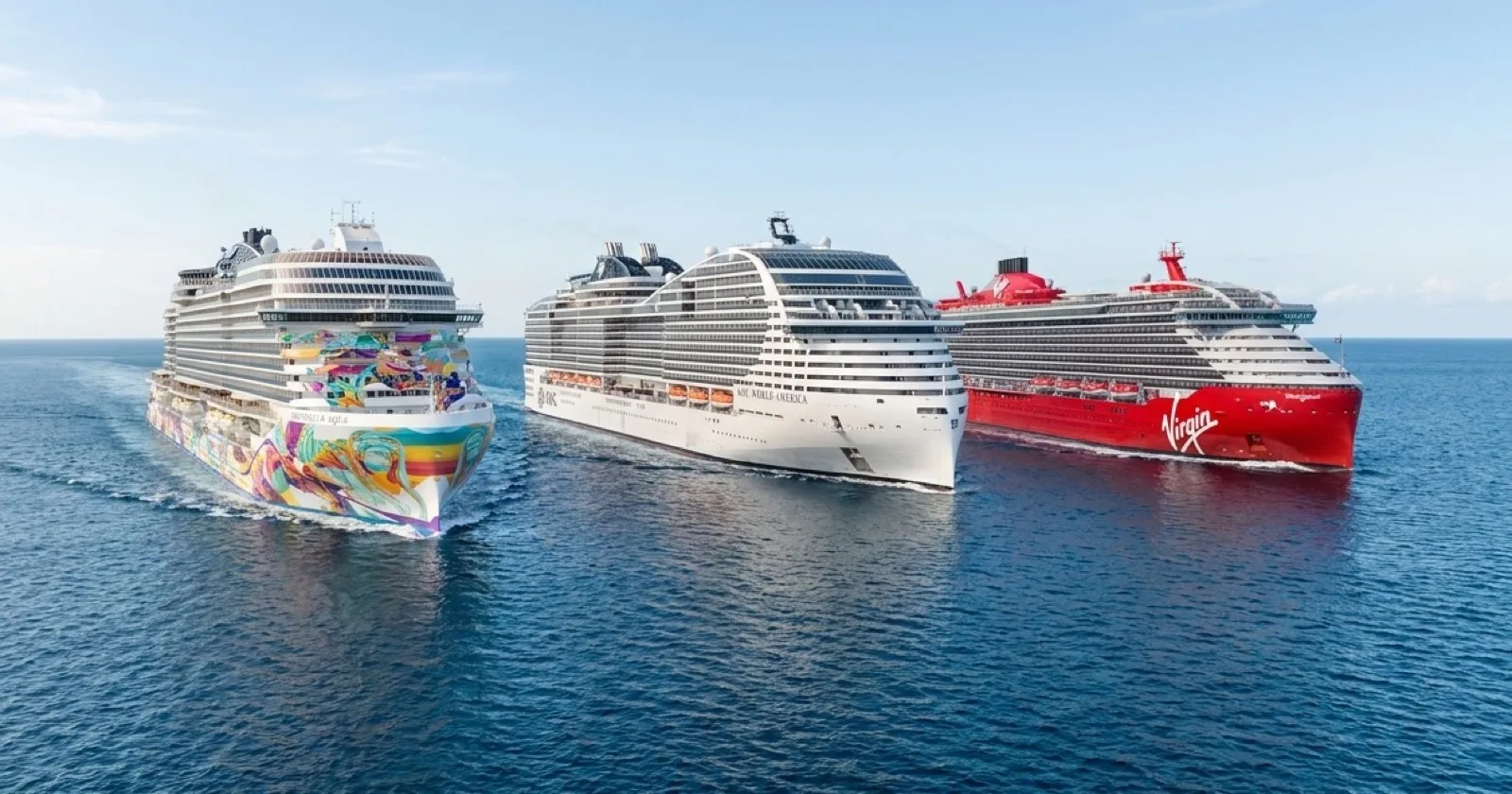
When I sit down with first-time clients, I usually tell them that a cruise line is not just transportation. It is the personality of the whole trip. Some ships feel lively and family-centered. Some feel more adult and relaxed. Some lean heavily into entertainment and big attractions. Others are more about the itinerary and the ports. If you pick the wrong style, even a technically nice cruise can feel off.
That is why I often tell people to spend less time asking, “What is the best cruise?” and more time asking, “What is the best cruise for us?” That sounds basic, but it changes the whole planning process. If you want a deeper breakdown on that piece, which cruise line is right for you is a good place to keep reading after this.
How do I pick the right cruise itinerary?
Clients often think the destination is the whole decision. It matters, of course, but I think the pace of the itinerary matters just as much.
Some cruises are ship vacations with a few ports mixed in. Others are port-intensive, which means you are off the ship often, moving around a lot, waking up early, and making daily transportation decisions. Neither style is wrong. You just need to know which one fits the way you actually travel.
A lot of first-time cruisers start with the Caribbean, and for good reason. The sailings are frequent, the ports are easy, and many of them are built around relaxed beach days where the ship itself is a big part of the fun. If you want a vacation where you can do as much or as little as you like, that is often the gentlest place to begin.
Other itineraries ask more of you. A port-intensive trip like Hawaii or the Mediterranean is destination-forward, which means you are there to get off the ship most days, for volcanoes and scenic drives, or for old cities and long touring days. As one example, Norwegian Cruise Line markets Pride of America as the only U.S.-flagged cruise ship in Hawaii, sailing year-round from Honolulu, with a seven-day itinerary built around four islands, five ports, and two overnights, in Maui and Kauai. That kind of structure is fantastic if you want to see a lot without unpacking every night, but it is not a “sit by the pool all week” sailing. If that is the vacation you actually want, I may point you somewhere else.
My read on this is simple. The right itinerary is the one that matches your real vacation style, not the one that only looks good in a brochure.
Here is how I describe the two ends of that spectrum to first-time clients:
| What to expect | Relaxed, ship-focused (e.g. a Caribbean week) | Port-intensive, destination-forward (e.g. Hawaii or the Mediterranean) |
|---|---|---|
| Daily pace | Do as much or as little as you like; the ship is a big part of the fun | Off the ship most days, earlier mornings, more daily decisions |
| Time ashore | Optional; easy beach or town days | Central to the trip; you are there to see the destination |
| Shore excursions | Often light and inexpensive | Can become a major line item, so plan the big days early |
| Transportation | Many ports are walkable or an easy taxi ride | Some highlights are a 60 to 90 minute drive each way |
| Pre-cruise nights | Usually one hotel night near the port | Often a couple of nights on one or both ends |
| Best fit | Travelers who want to relax and exhale | Travelers who want to see a lot without unpacking every night |
Neither column is better. The point is to know which one you are actually signing up for before you put down a deposit.
How does transportation work in cruise ports?
This question keeps coming up in my inbox, especially from travelers who are used to land vacations where they just rent a car and figure things out as they go. On a cruise, transportation can be easy, but it depends a lot on the destination.
Some ports are wonderfully walkable, and you can step off the ship and be in the middle of everything. Plenty of Caribbean ports are like that, or they are an easy taxi or rideshare to the beach you came for. Other ports are better handled through a ship excursion, especially for first-time cruisers who do not want to manage timing pressure. If a port requires a 60 to 90 minute drive each way to reach the highlight you actually care about, that needs to be part of the planning conversation before you ever put down a deposit.
Destination-heavy itineraries are where this matters most, and Hawaii is a good example because it changes island to island. On Oahu, the state tourism information points travelers toward car rentals, shuttles, taxis, and TheBus, Honolulu’s public transportation system, and Honolulu Harbor also notes access to TheBus and Biki bikeshare, so getting around independently is easy. Kauai is a different conversation. The state tourism guidance for Kauai points to rental cars, taxis, and limited bus service, and that “limited” part matters, because the places people want to see are spread out. On an island like that, I usually tell clients to pre-book a car or choose a well-structured excursion rather than improvise at the curb.
I tell clients this all the time. Do not only ask where the ship goes. Ask how the day works once you get there.
Does the cruise cabin you pick really matter?
A lot of first-time cruisers tell me they will barely be in the room, so the cabin does not matter. Sometimes that is true. A lot of times, it is not.
Your cabin affects sleep, storage, noise level, motion, and how comfortable the overall trip feels. If you are on a seven-night sailing and your room is cramped, noisy, or in the wrong location for your needs, you will feel it by day three.
For couples, especially on a destination cruise, I usually talk through three things. First, how much downtime they realistically want in the room. Second, how sensitive they are to motion or noise. Third, what they value more, extra space or extra spending money for excursions and dining. There is no universal right answer. I have had clients thrilled with an inside cabin because they were almost never there, and I have had clients say the balcony made the whole trip.
When I work with clients who are new to cruising, I also explain location. Midship tends to be a more comfortable choice for travelers worried about motion. Cabins directly under pool decks, nightclubs, or busy public spaces can be noisier than people expect. Connecting rooms can be a smart play for families, but not every family actually needs them.
This is one of those places where a little guidance helps. The lowest fare is not always the best value if it puts you in the wrong room for your trip style. If you want a broader breakdown of the money side, how much does a cruise really cost goes deeper into the full vacation math.
How should I budget for a cruise?
This is where people get tripped up. They shop based on the headline fare, then feel surprised later when the real trip cost looks different.
I do not say that to scare anyone off. Cruising can be an excellent value. But the smart way to budget is to look at the full vacation, not just the base fare. I walk clients through the cruise fare, taxes and fees, gratuities, airfare if needed, hotel nights before the cruise, transfers, shore excursions, specialty dining, drink packages if they want one, Wi-Fi, travel protection, and a little room for the unexpected.
Shore days are where this sneaks up on people. On a relaxed Caribbean sailing you might be happy with a beach day you booked for next to nothing, while on a destination-heavy trip like Hawaii or the Mediterranean the excursions can quietly become a big line item, because those are not trips where most people stay on the ship while it is docked. A helicopter tour, a private guide, a full day of sightseeing, those choices shape your real budget fast. That does not make any of it a bad value. It just means the planning has to be honest from the start.
In my experience, clients are happiest when they know what kind of trip they are building. Are we doing a simpler version with a comfortable cabin and a few select tours? Or are we doing the more immersive version with premium excursions and a hotel night on either end? Both can be good decisions. Problems usually start when expectations and budget are out of sync.
This is also why I do not love price-only cruise shopping. Two sailings can look similar until you layer in cabin category, inclusions, airfare, and the kind of port days you actually want. Then they are not similar at all.

Do I need a passport for a cruise?
A few things worth knowing here. The easiest cruise is the one where the paperwork is already handled.
Cruise lines regularly advise guests to carry proper travel documents and keep them accessible for check-in. Royal Caribbean says a passport is the best ID document for travel and notes that passports should be valid at least six months after the cruise ends. Norwegian Cruise Line also strongly recommends that guests obtain a passport even on certain sailings where other documentation may be accepted, because if you need to unexpectedly depart from a foreign port, a passport would be required for international air travel.
Even when a specific itinerary may allow other documentation, my advice is still usually the same. If you can travel with a valid passport, do it. It gives you flexibility if plans change, flights get disrupted, or medical issues force a different return home than the one you expected.
I also encourage clients to take online check-in seriously. This is not busywork. It is where you upload documents, lock in arrival details, and reduce terminal-day friction. Carnival’s check-in guidance, for example, specifically walks guests through entering travel document information and selecting an arrival time. That is the kind of thing that can save you a lot of stress on embarkation day.
I usually tell first-time cruisers to think of cruise planning in three phases. Book the right sailing first. Handle documents and airfare early. Then build the details, dining, excursions, and port plans in the months that follow. People get into trouble when they reverse that order and spend hours researching a shore day before they have even chosen the right cruise.
Should I fly in the night before a cruise?
This is one of the simplest pieces of advice I give, and it saves more trips than almost anything else. If your flight gets you to the embarkation city the same morning the ship leaves, one delay can cost you the whole cruise. Flying in the night before takes that risk off the table and lets you start the trip relaxed instead of rushed.
For a lot of sailings, that just means one hotel night near the port. For a bigger trip, where you have flown a long way to get there, I often suggest a couple of nights on one or both ends so the vacation does not feel like a sprint. That is true for a far-flung itinerary like Hawaii, and it is just as true for a European sailing where you would regret flying all that way only to board immediately and fly home the day you get off.
I like this especially for travelers in their 50s, 60s, and beyond who want the trip to feel enjoyable, not rushed. A longer flight, a time-zone change, and a busy itinerary can be a lot if you compress everything too tightly. A night or two of breathing room can make a major difference.
This is the kind of planning detail that rarely shows up in the first ad someone sees, but it is often what separates a good trip from a much smoother one.
Should I book ship shore excursions or explore on my own?
Some people love structured shore excursions. Others want independence. Most first-time cruisers land somewhere in the middle.
When I talk shore days through with clients, I ask a few simple questions. Do you want someone else handling the logistics? Are you comfortable managing timing on your own? Is this a bucket-list destination where you want the safest, easiest route to a major highlight? Or is this a port where you would be just as happy grabbing lunch, walking around, and keeping the day flexible?
When a port has a true bucket-list highlight, especially one that takes time to reach, I usually recommend being more intentional than casual. A national park, a famous ruin, a big scenic drive, those are the days I would rather have planned properly than improvised at the curb after disembarkation. Destination-heavy itineraries like Hawaii or the Mediterranean have more of those days, so they tend to need more structure than an easygoing Caribbean week.

For first-time cruisers in general, ship-sponsored excursions can be worth the peace of mind, especially in ports where distances are long or timing is tight. That does not mean every port needs a formal tour. It means I want the level of structure to match the complexity of the day.
I have had plenty of clients do a mix. One bigger, organized tour in a high-priority port, one easy beach or town day on their own, and one lighter day where they simply enjoy being back on the ship before the crowds return. That balance often works really well.
The best cruise plan leaves room to enjoy the trip
I have noticed that first-time cruisers often swing between two extremes. Either they overplan every minute, or they assume they can figure everything out as they go. In my experience, the sweet spot is in the middle.
You want the important things handled in advance. Right ship. Right cabin. Right documents. A realistic budget. A transportation plan in the ports that matter most. A pre-cruise hotel if the flight schedule calls for it. That is the structure.
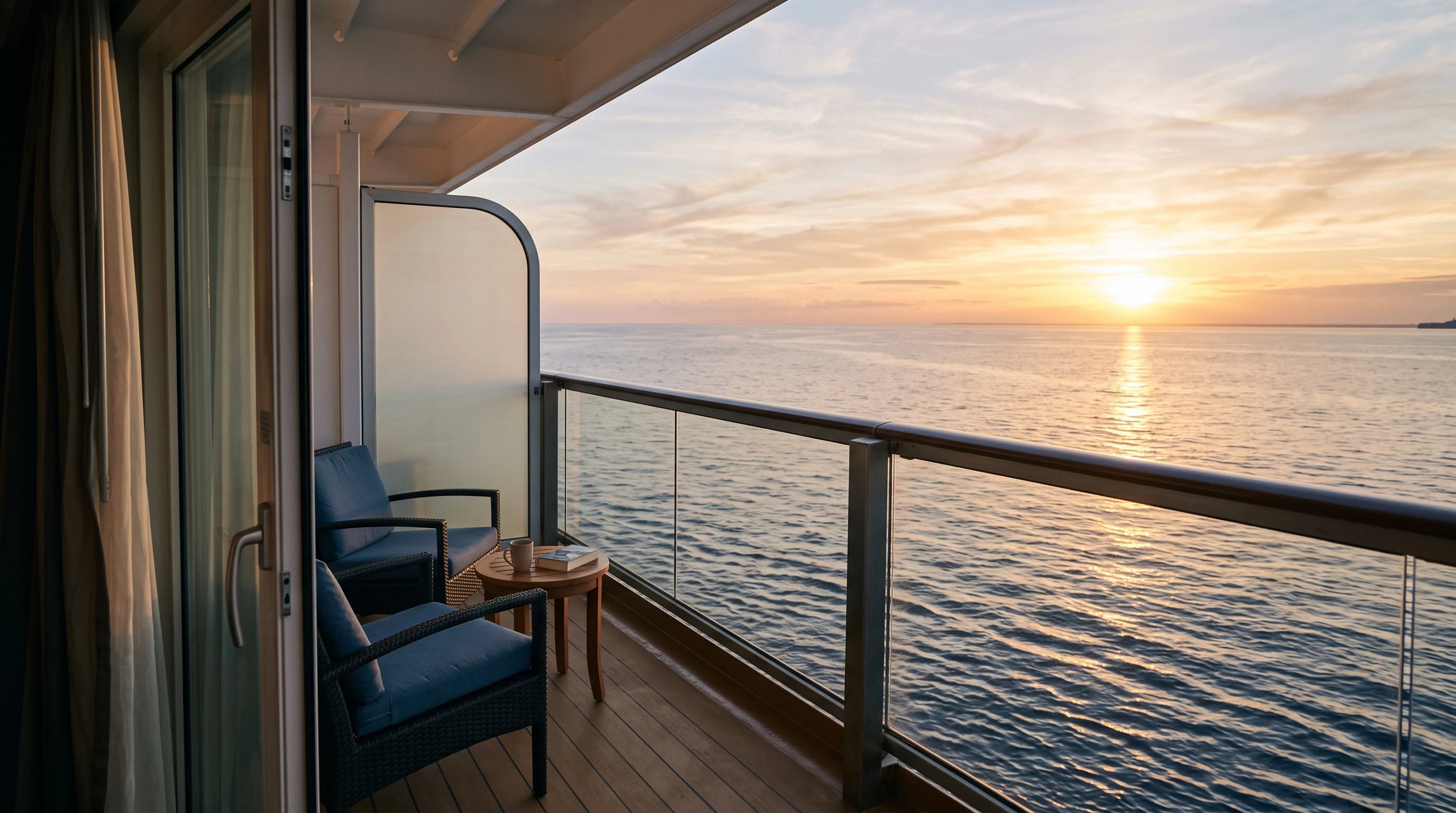
Then you leave room for the vacation to be a vacation. You do not need every meal scheduled six months in advance. You do not need every port hour filled. Some of the best cruise moments happen when you are not racing from one reservation to the next. A quiet coffee on your balcony, an easy lunch with an ocean view, a sailaway you did not overthink, those are part of the experience too.
That balance matters even more on a busy, destination-heavy itinerary. A place like Hawaii or a packed Mediterranean route can fill every hour if you let it. Sometimes that is the right move. Sometimes it is smarter to choose a couple of unforgettable days and let the rest of the trip breathe.
If you are a first-time cruiser and all of this still feels like a lot, that is normal. I wrote more about the basics in my first-time cruise guide, and it pairs well with what I have covered here.
First-time cruise planning, quick answers
How do I choose the right cruise as a first-time cruiser?
Start with the traveler, not the ship. Decide what kind of vacation you actually want for your pace, budget, and the people traveling with you, then choose the cruise line and itinerary that match that style. A cruise line is the personality of the whole trip, so picking the wrong style can make even a technically nice cruise feel off. Ask what is the best cruise for us, not what is the best cruise.
Do I need a passport for a cruise?
If you can travel with a valid passport, do it. Royal Caribbean says a passport is the best ID document for travel and should be valid at least six months after the cruise ends, and Norwegian Cruise Line strongly recommends a passport even on certain sailings where other documentation may be accepted, because departing unexpectedly from a foreign port would require a passport for international air travel. A passport gives you flexibility if plans change, flights get disrupted, or medical issues force a different return home.
Should I fly in the night before a cruise?
Yes, flying in the night before is one of the simplest pieces of advice that saves the most trips. If your flight arrives the same morning the ship leaves, one delay can cost you the whole cruise. For many sailings that just means one hotel night near the port. For a bigger trip where you have flown a long way, a couple of nights on one or both ends keeps the vacation from feeling like a sprint.
Does the cruise cabin you pick really matter?
Often yes. Your cabin affects sleep, storage, noise level, motion, and how comfortable the trip feels, and on a seven-night sailing a cramped, noisy, or poorly located room is noticeable by day three. Midship cabins tend to be more comfortable for travelers worried about motion, and cabins under pool decks or busy public spaces can be noisier than expected. The lowest fare is not always the best value if it puts you in the wrong room for your trip style.
How should I budget for a cruise?
Budget for the full vacation, not just the headline fare. That means the cruise fare, taxes and fees, gratuities, airfare if needed, pre-cruise hotel nights, transfers, shore excursions, specialty dining, drink packages, Wi-Fi, travel protection, and a little room for the unexpected. Shore days are where costs sneak up, since on destination-heavy itineraries the excursions can quietly become a big line item. Problems usually start when expectations and budget are out of sync.
Should I book ship shore excursions or explore on my own?
Match the level of structure to the complexity of the day. Ship-sponsored excursions can be worth the peace of mind for first-time cruisers, especially in ports where distances are long or timing is tight, or when a port has a true bucket-list highlight that takes time to reach. Not every port needs a formal tour. A common mix that works well is one bigger organized tour in a high-priority port, one easy beach or town day on your own, and one lighter day enjoying the ship.
My advice if you are just starting now
If this question has been sitting in your head for a while, here is where I would begin.
First, decide what kind of vacation you actually want. Not what looks exciting for thirty seconds on social media, but what will feel good for your pace, your budget, and the people traveling with you. Second, choose the cruise line and itinerary that match that style. Third, map out the real trip cost, including the port days and transportation decisions you know you are likely to make.
And go in with clear expectations about the itinerary you are choosing. A relaxed Caribbean week and a port-packed trip like Hawaii or the Mediterranean are very different vacations, even though they are both “a cruise.” The more destination-led the sailing, the more the planning pays off. Match the trip to how you actually like to travel and you will enjoy almost any of them more.
Most of all, do not confuse simple with effortless. A cruise can absolutely feel easy, but it feels easiest when the right decisions get made early. That is where a good travel advisor earns their keep, not by throwing a booking link at you, but by helping you line up the ship, the schedule, the logistics, and the expectations so the trip actually fits.
If you want help sorting through cruise options, comparing itineraries, or figuring out whether Hawaii or another sailing makes more sense for your trip, you can reach out here. That is usually where the planning gets a lot clearer.